
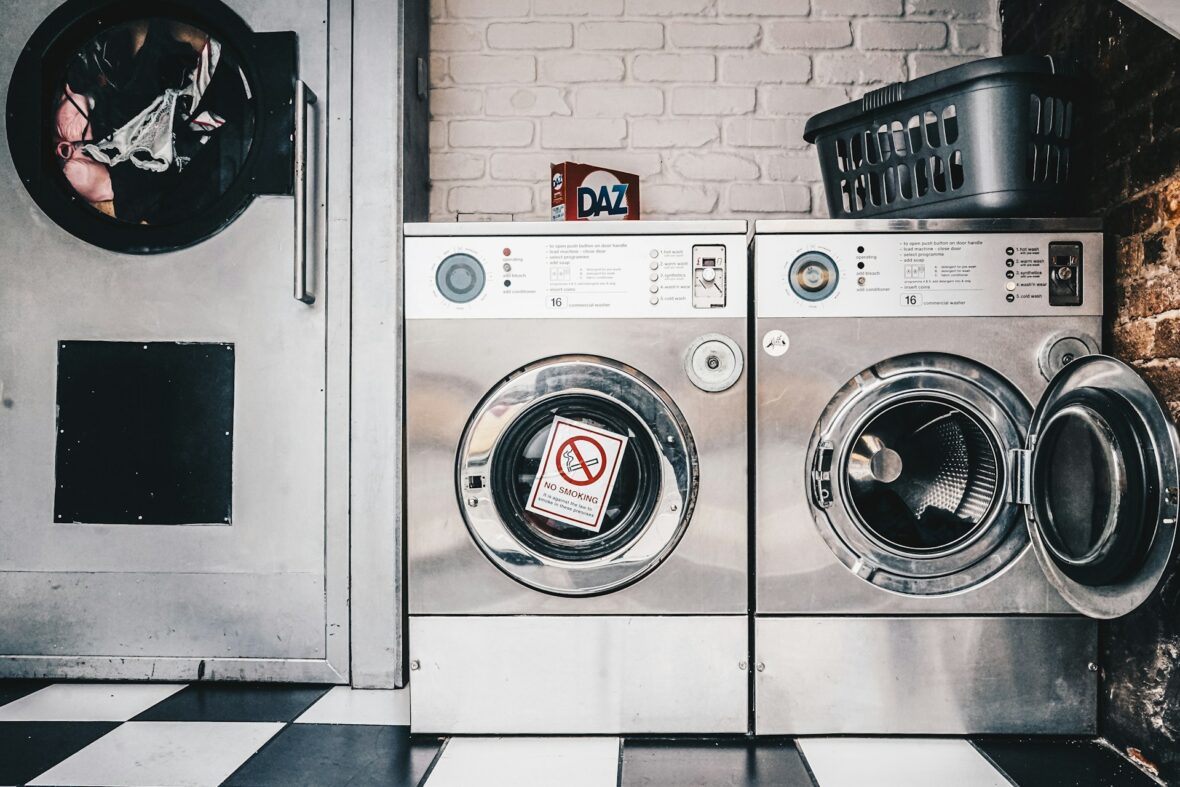
A pile of wet laundry and a dryer that refuses to cooperate is one of those household problems that feels minor—until it isn’t. Suddenly, you’re hanging clothes over every door and chair in the house, wondering whether to call a technician or just buy a new machine. If you’re a Vancouver homeowner dealing with this exact situation, you’re not alone.
Dryers are hardworking appliances. They run through load after load, often for years, before showing any signs of trouble. But when something does go wrong, it tends to disrupt daily life fast. The good news? Most dryer problems are fixable, and knowing what to look for can save you time, money, and a lot of frustration.
This guide covers the most common dryer issues Vancouver residents face, how to spot them early, when to call a professional, and what to expect from the repair process.
What Are the Most Common Signs Your Dryer Needs Repair?
Dryer problems rarely appear out of nowhere. More often, there are warning signs in the days or weeks before a full breakdown. Learning to recognize them early means the difference between a quick fix and a costly repair.
Here are the most frequent issues homeowners report:
- Dryer not heating up — Clothes tumble but come out damp. This is one of the most common complaints and typically points to a faulty heating element, blown fuse, or malfunctioning thermostat.
- Takes too long to dry — A full cycle finishes, but clothes still feel wet. This is often tied to restricted airflow from a clogged vent or lint trap.
- Stops mid-cycle — The dryer shuts off before the cycle is complete, which can signal an overheating issue or a failing motor.
- Makes unusual noises — Squeaking, banging, or grinding sounds usually mean worn drum bearings, a damaged belt, or a failing idler pulley.
- Smells like burning — A burning odor is a serious warning sign. It can indicate lint buildup near the heating element or worn-out electrical components.
- Won’t start at all — If the dryer doesn’t respond, the issue could be as simple as a tripped breaker or as involved as a broken door switch or control board.
Identifying the symptom early gives a technician a clearer starting point—and often results in a faster, cheaper repair.
Why Is My Dryer Not Heating? Common Causes Explained
A dryer that runs but produces no heat is one of the most searched appliance complaints online. The tumbling action fools many homeowners into thinking the machine is working fine—until they pull out damp laundry.
The most likely culprits include:
- Burned-out heating element — Electric dryers rely on a heating element to generate warmth. Over time, the coil can break, cutting off heat entirely.
- Blown thermal fuse — This is a safety device designed to cut power if the dryer overheats. Once it blows, it needs to be replaced before the dryer will heat again.
- Faulty high-limit thermostat — This component regulates temperature. If it fails, the dryer may run without ever reaching the right temperature.
- Gas supply issues — For gas dryers, a problem with the igniter, flame sensor, or gas valve can prevent heating.
- Clogged exhaust vent — Blocked airflow traps heat inside the drum and triggers safety shutoffs. Regular vent cleaning is one of the simplest ways to prevent heating problems.
Some of these fixes, like cleaning a clogged vent, are relatively straightforward. Others, particularly those involving electrical components or gas lines, should always be handled by a qualified technician.
Electric vs. Gas Dryers: Does the Type Affect Repairs?
Both electric and gas dryers can develop similar problems—worn belts, broken drums, noisy operation—but their heating systems are very different, and that affects how they’re diagnosed and repaired.
Electric dryers use a heating element powered directly from the electrical supply. Repairs typically involve replacing the element, fuses, or thermostat. These are common parts that most repair technicians carry with them.
Gas dryers use a burner assembly fueled by natural gas or propane. Repairs can involve the igniter, flame sensor, or gas valve—components that require more technical knowledge and proper safety protocols. Attempting a gas dryer repair Vancouver without the right training carries real risks, including gas leaks and fire hazards.
Washer-dryer combos present a different challenge again, combining the mechanics of both appliances into a single unit. Diagnosing these machines requires familiarity with a broader range of components and configurations.
Regardless of which type you own, working with a technician trained across all three dryer categories ensures accurate diagnosis and a reliable repair.
When Should You Repair Your Dryer—and When Should You Replace It?
This is the question most homeowners ask when a dryer breaks down. The answer depends on a few key factors.
Consider repairing if:
- The dryer is less than 10 years old
- The repair cost is less than 50% of the replacement cost
- The issue is a single, well-defined component (heating element, belt, thermostat)
- The appliance is a higher-end model with parts still in circulation
Consider replacing if:
- The dryer is over 10–12 years old and has had repeated breakdowns
- Repair costs are approaching or exceeding the price of a new unit
- Multiple components have failed at once
- Parts are discontinued or difficult to source
A professional diagnosis can give you a clear answer before you spend money in either direction. A qualified technician will assess the condition of the appliance as a whole—not just the immediate fault—so you can make an informed decision.
How to Prepare for a Dryer Repair Appointment
A little preparation before your technician arrives helps the repair go smoothly and quickly. Here’s what to do:
- Clear the area around the dryer — Technicians need access to the back, sides, and sometimes the top of the machine. Remove anything stored on top of or around the dryer.
- Clean the lint trap — A clear lint trap makes inspection easier and helps the technician assess whether vent blockage is contributing to the problem.
- Locate your documents — Have the model number, purchase date, and any warranty paperwork ready. This speeds up parts sourcing if a component needs to be ordered.
- Note the symptoms — Write down exactly what the dryer is doing (or not doing), including any sounds, smells, or error codes. The more detail you can provide, the faster a technician can diagnose the issue.
- Avoid DIY attempts beforehand — Opening the machine without the right tools or training can make the repair more complex and, in some cases, void a warranty.
Good preparation can reduce the time a technician spends on-site and lower your overall repair cost.
What Makes a Reliable Dryer Repair Service in Vancouver?
Not all appliance repair companies are equal. When choosing a professional dryer service in the Vancouver area, look for these qualities:
- Licensed and insured technicians — This protects you if anything goes wrong during the repair.
- Transparent, upfront pricing — Reputable companies provide a quote before starting any work. No surprises on the final invoice.
- Warranty on parts and labour — A company that stands behind its work will offer a guarantee on both the components used and the repairs performed.
- Experience with multiple brands and models — Dryers vary significantly by brand. Technicians with broad experience are better equipped to handle unusual faults.
- Same-day or fast-turnaround service — Wet laundry doesn’t wait. A responsive company understands this and prioritizes quick scheduling.
- Positive customer reviews — Look for verified reviews across multiple platforms to get an accurate picture of service quality.
For Vancouver residents, Maple Leaf Appliance Repair checks all of these boxes—offering certified, fully insured technicians, straightforward pricing, and a warranty on both parts and labour, backed by over 1,000 positive reviews.
Get Your Dryer Running Again—Without the Guesswork
A malfunctioning dryer is inconvenient, but it’s rarely the end of the road. Most issues—whether it’s a dryer not heating, a drum that won’t spin, or a machine that keeps shutting off—have clear causes and well-established solutions. The key is getting an accurate diagnosis from someone who knows what they’re looking at.
Trying to troubleshoot or repair a dryer without proper training risks making the problem worse, and in the case of gas appliances, it can create genuine safety hazards. Bringing in a qualified technician from the start is the faster, safer, and—in most cases—more cost-effective choice.
If your dryer is giving you trouble anywhere in the Lower Mainland or Fraser Valley, book a service appointment with a trusted local team and get your laundry routine back on track.