
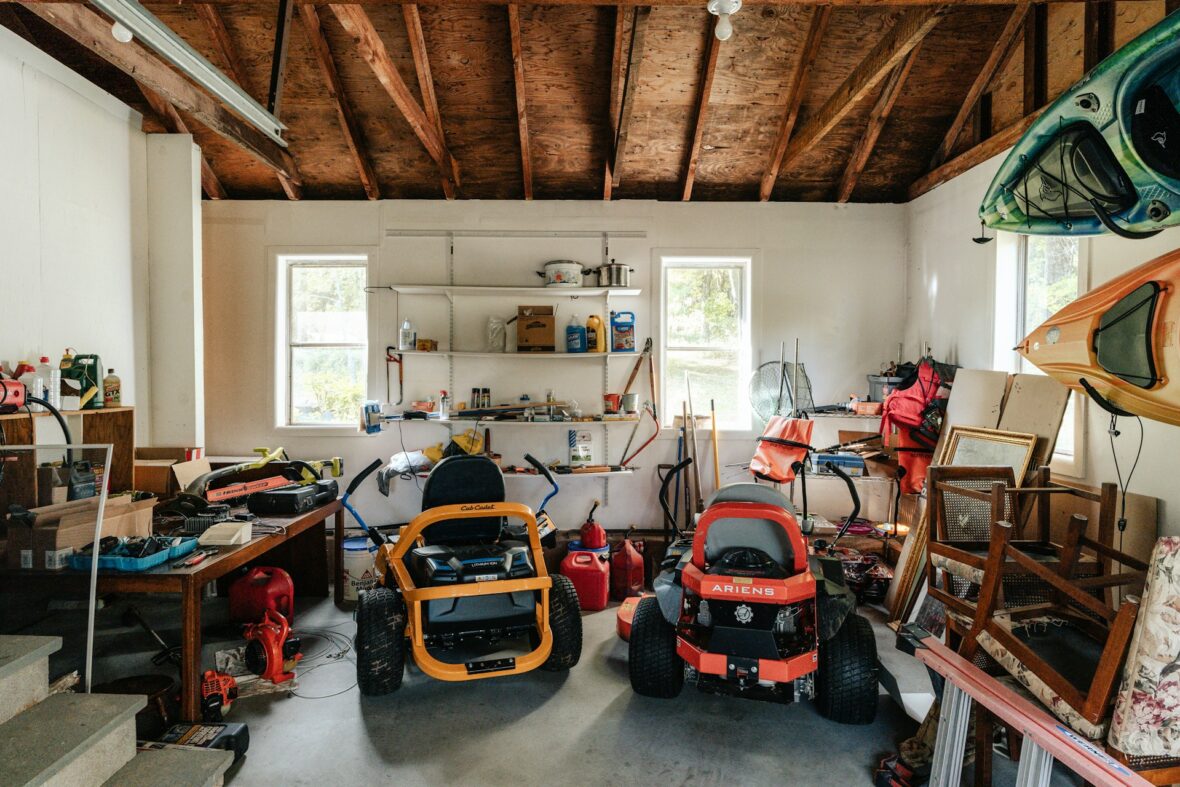
Small engines are the workhorses behind many residential and commercial tasks. From the lawnmower keeping a property pristine to the generator providing emergency power during a storm, these machines play a pivotal role in daily life.
Even recreational vehicles, such as a Can Am ATV or a snowmobile, rely on the efficiency of these compact power plants. However, their reliability is often taken for granted until they fail to start.
Neglecting routine care is the primary cause of premature failure in outdoor power equipment. While modern engines are built for durability, they require consistent attention to function correctly. Small engine maintenance is not merely about keeping a machine running; it is about ensuring safety, efficiency, and longevity.
By adhering to a strict maintenance schedule, owners can avoid the frustration of unexpected breakdowns and the high costs associated with professional engine repair.
Comprehensive equipment care involves understanding the key systems that keep an engine running smoothly. The following guide outlines the essential steps required to maintain peak performance in small engines.
1. Prioritizing Oil Changes and Lubrication
Oil acts as the lifeblood of any internal combustion engine. In small engines, which often run at higher temperatures and RPMs than automotive engines, the quality and quantity of oil are critical factors in preventing catastrophic failure.
Checking Levels and Viscosity
Before every use, the oil level must be inspected. Running an engine with insufficient oil leads to increased friction, overheating, and eventually, the seizing of internal components.
Conversely, overfilling can cause air bubbles (aeration), which reduces the oil’s ability to lubricate effectively. Operators should always consult the owner’s manual to determine the correct viscosity (thickness) for the specific machine and the ambient temperature in which it operates.
The Frequency of Changes
Fresh oil removes contaminants and heat from the engine block. Over time, heat breaks down the oil’s chemical structure, reducing its protective qualities.
A general rule for small engine maintenance is to change the oil after every 50 hours of operation or at least once per season. For a brand-new engine, a “break-in” oil change is often required after the first five to ten hours of use to remove any metal shavings from the manufacturing process.
2. Ensuring Proper Air Filtration
An engine requires a precise mixture of fuel and oxygen to create combustion. The air filter serves as the lungs of the machine, preventing dust, dirt, and debris from entering the carburetor and cylinder. A clogged filter restricts airflow, forcing the engine to work harder and burn more fuel.
Types of Filters
Small engines typically utilize either foam filters, paper filters, or a combination of both.
- Foam Filters: These are often found on smaller equipment. They function by trapping particles in oil-soaked foam.
- Paper Filters: These function similarly to automotive filters and are designed to trap finer, microscopic dust particles.
- Dual-Element Filters: High-performance machines often use a foam pre-cleaner over a paper cartridge to offer maximum protection.
Cleaning vs. Replacing
Regular inspection of the air intake system is vital. Foam filters can usually be cleaned with warm, soapy water, dried, and re-oiled.
However, paper filters should generally be replaced rather than cleaned. Using compressed air to blow out a paper filter can create microscopic tears, allowing damaging grit to bypass the filter and scour the cylinder walls, leading to a need for significant engine repair.
3. Managing Fuel Quality and Systems
Fuel-related issues are the most common reason small engines fail to start after a period of inactivity. Modern gasoline poses specific challenges for small carbureted engines due to its chemical composition.
The Dangers of Ethanol
Most pump gasoline contains ethanol, an alcohol-based additive. Ethanol is hygroscopic, meaning it attracts moisture from the humidity in the air.
Over time, this water separates from the gas and sinks to the bottom of the tank, causing corrosion in the carburetor and fuel lines. Furthermore, ethanol can degrade plastic and rubber components within the fuel system.
Stabilization for Storage
To prevent fuel degradation, a fuel stabilizer should be added to the tank every time fresh gas is purchased. If the equipment will sit idle for more than 30 days, the fuel system requires attention.
The best practice is to either drain the tank and carburetor completely or run the engine with stabilized fuel until the lines are full of treated gas. This simple step in equipment care prevents gum and varnish from clogging the tiny jets inside the carburetor.
4. Inspecting and Replacing Spark Plugs
The spark plug is responsible for igniting the fuel-air mixture within the combustion chamber. A fouled or worn-out plug will result in difficult starting, rough idling, and a noticeable lack of power.
Reading the Plug
Removing and inspecting the spark plug can reveal a great deal about the engine’s health.
- Tan or Light Gray: Indicates the engine is running correctly.
- Black or Sooty: Suggests the engine is running “rich” (too much fuel, not enough air), possibly due to a dirty air filter.
- White or Blistered: Indicates the engine is running “lean” (too much air, not enough fuel) or overheating.
Gapping and Installation
Spark plugs have a specific gap—the distance between the center and side electrodes—that the electrical arc must jump. This gap must be set to the manufacturer’s specifications using a gapping tool.
When installing a new plug, care must be taken not to over-tighten it, which can strip the threads in the cylinder head. Replacing spark plugs annually is a low-cost maintenance task that yields high returns in reliability.
5. Cooling System Maintenance
Small engines generate a tremendous amount of heat. If this heat is not dissipated efficiently, engine components can warp or melt. The cooling system depends entirely on the cleanliness of the machine.
Air-Cooled Engines
Most small engines are air-cooled, relying on metal fins on the cylinder block to radiate heat away. A flywheel fan blows air across these fins to assist in cooling.
If grass clippings, dirt, or oil buildup covers these fins, the heat becomes trapped. Operators must regularly remove the engine shroud or blower housing to clean out any debris nesting in the cooling fins.
Liquid-Cooled Maintenance
Larger small engines, such as those found in high-end garden tractors or a liquid-cooled Can Am utility vehicle, use a radiator and coolant fluid. For these machines, maintaining the proper coolant level and checking hoses for cracks or leaks is essential. The radiator screen must also be kept clear of debris to ensure adequate airflow.
6. Preparing for Long-Term Storage
The off-season is when the most damage occurs to small engines. Improper storage leads to rust, corrosion, and dry-rotted seals. Whether preparing a snowblower for summer or a lawnmower for winter, winterization is a critical aspect of equipment care.
Draining Fluids and Battery Care
Beyond fuel stabilization, oil should be changed before storage to prevent acidic contaminants from sitting in the crankcase. For electric-start models, the battery should be removed and stored in a cool, dry place on a trickle charger. This prevents the battery from discharging completely and losing its ability to hold a charge.
Protection from the Elements
Physical storage conditions matter. Equipment should be stored in a dry, covered area to protect it from rain and snow. If indoor storage is not possible, a heavy-duty, breathable tarp should be used.
Moisture trapped under a non-breathable plastic tarp can promote rust on metal parts. Additionally, lubricating pivot points and control cables with a silicone spray can prevent them from seizing during months of inactivity.
Reliable Performance Through Diligence
The longevity of outdoor power equipment is directly proportional to the effort put into maintaining it. A reactive approach—fixing things only when they break—is inevitably more expensive and time-consuming than a proactive maintenance schedule.
By regularly checking oil, maintaining air and fuel quality, and inspecting ignition and cooling systems, operators ensure their machinery is ready to work when needed. Whether maintaining a push mower or a high-performance Can Am, these fundamental practices are the key to years of trouble-free operation.